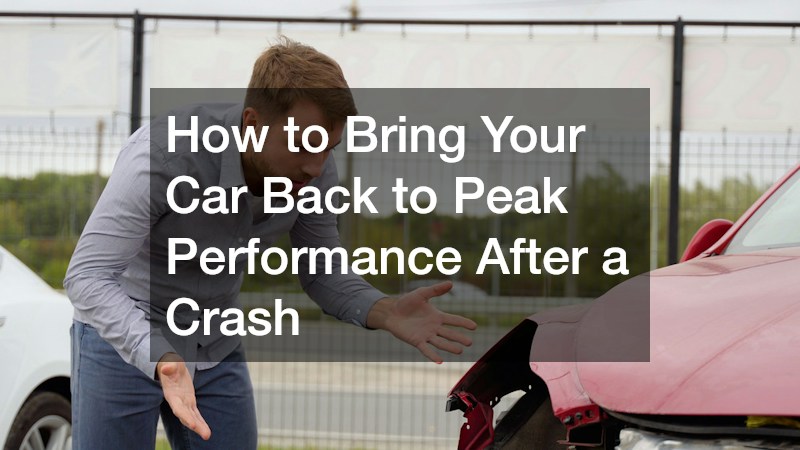
The moments following an auto accident are universally stressful. Once the initial shock subsides, emergency responders clear the scene, and insurance claims are filed, a complex challenge begins: bringing your vehicle back to its pre-crash condition. For passionate vehicle owners, simply making a car look good from ten feet away is not enough. A glossy fresh coat of paint and a replaced bumper cover mean very little if the underlying chassis is twisted, the suspension geometry is out of spec, or the drivetrain exhibits persistent vibrations under acceleration.
Modern automobiles are marvels of mechanical and digital engineering. They rely on complex unibody structures designed to crumple predictably during an impact, absorbing kinetic energy to protect human occupants. While these crumple zones save lives, they also mean that even a moderate collision can introduce subtle, deep-seated structural and mechanical trauma. Misaligned subframes, hairline radiator cracks, damaged sensor arrays, and bent control arms can severely compromise handling, fuel economy, and safety if left unaddressed.
Restoring a vehicle to true peak performance after a crash requires a disciplined, step-by-step approach. You must look beyond basic cosmetic panel replacement and focus on foundational engineering integrity. By following a structured recovery plan that addresses roadside transport, computerized frame alignment, mechanical recalibration, personal physical well-being, and thorough detailing, you can ensure your vehicle drives as safely, smoothly, and responsively as the day it rolled off the assembly line.
Securing Safe Transport and Immediate Post-Collision Well-Being

The process of restoring a vehicle begins at the exact site of the impact. One of the most common mistakes drivers make after a minor or moderate collision is attempting to drive their vehicle home or directly to a shop. Even if the engine starts and the tires turn, underlying mechanical damage can turn a manageable repair into a catastrophic mechanical failure. An impact can crack aluminum radiator tanks, sever transmission oil cooler lines, or bend suspension control arms into tire sidewalls. Driving a vehicle with compromised cooling or lubrication systems can destroy an engine or transmission within minutes.
To protect your vehicle’s mechanical components, always insist on flatbed transport rather than wheel-lift towing.
- Protect All-Wheel-Drive Systems: Modern all-wheel-drive and four-wheel-drive crossovers and sedans require flatbed transport so that all four wheels remain completely stationary, preventing severe center-differential and transfer-case damage.
- Prevent Secondary Body Damage: Severely bent fenders or hanging bumper fascias can drag against tires or asphalt during transit if traditional hook-and-chain equipment is used.
- Direct Transport Routing: Have the vehicle delivered directly to a trusted, high-tech repair facility with dedicated diagnostic equipment rather than a temporary municipal impound yard where it may sit exposed to weather.
Securing reliable auto towing immediately after an incident guarantees that your vehicle is handled with care and delivered safely to qualified technicians.
While the auto towing is happening, this is a good time to evaluate your personal physical condition must always take priority over mechanical concerns. Adrenaline spikes during an impact often mask acute physical trauma, including soft-tissue strains, joint sprains, and early whiplash symptoms that may not fully manifest for 24 to 48 hours. Moving seamlessly from flatbed vehicle transport to an immediate human health evaluation is essential for long-term recovery.
Visiting local urgent cares promptly after an accident ensures that medical professionals perform thorough diagnostic scans, document soft-tissue injuries, and establish a treatment baseline. Taking care of your health first gives you the clarity and energy required to navigate complex vehicle insurance claims and repair decisions.
Inspecting Structural Alignment, Frame Integrity, and Drivetrain Systems
Once your vehicle arrives at a dedicated repair facility, the true engineering work begins. Modern vehicles rely on unibody construction, where the outer body panels, floor pans, and structural pillars form a single integrated unit. During an impact, energy travels through designed load paths to protect the cabin. This means a frontal corner impact can cause subtle structural shifts in the rear quarter panels or roof pillars.
Attempting to align suspension components or fit body panels onto a twisted frame is impossible and good auto garages will not even attempt it. Specialized facilities utilize computerized 3D laser measuring systems to compare your vehicle’s current dimensions against factory blueprint specifications down to the millimeter. By mounting the vehicle onto a heavy-duty frame rack, technicians use hydraulic pullers to reverse collision forces, reshaping the unibody and restoring structural crumple zones to original factory tolerances.
Selecting certified, independent auto garages equipped with laser measuring technology and hydraulic frame-straightening equipment is essential for restoring true handling characteristics.
Restoring structural squareness allows technicians to address suspension geometry. Impact forces frequently bend cast-aluminum control arms, tie rods, strut towers, and sway bar end links. Even a fraction of a degree of unwanted camber or caster miscalibration will cause high-speed instability, severe steering pull, and rapid, uneven tire wear.
A violent vehicle jolt can also exert intense physical forces on the human body inside the cabin. Drivers frequently report persistent back pain caused by the sudden lateral forces of an impact. Resolving underlying structural vehicle issues ensures that your car provides a smooth, compliant ride that will not aggravate increase your back pain during daily driving.
Re-Tuning Powertrain Components, Electronics, and Health Support
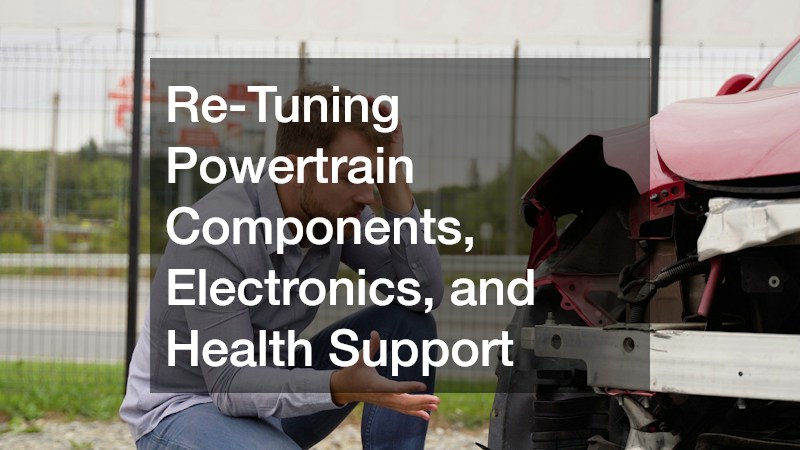
With the structural foundation square and the suspension geometry calibrated, attention turns to the powertrain and vehicle electronics. Modern engine bays are densely packed environments where plastic intake manifolds, aluminum radiators, air conditioning condensers, and delicate wiring harnesses sit inches behind exterior bumper covers. Even low-speed impacts can push cooling stacks inward, causing microscopic cracks in plastic tanks or pinching wiring looms.
A comprehensive mechanical audit must include pressurized cooling system leak tests, smoke tests for intake leaks, and fluid condition checks for engines, transmissions, and differentials. In addition to mechanical systems, modern automobiles rely heavily on Advanced Driver Assistance Systems (ADAS). Front radar sensors, lane-departure camera modules, and blind-spot monitoring arrays are often mounted directly behind bumpers, grilles, and side mirrors.
- ADAS Sensor Recalibration: Whenever bumper covers, windshields, or suspension components are removed or realigned, ADAS sensors must undergo dynamic or static target recalibration to ensure automated braking and lane-keeping systems function accurately.
- Diagnostic Trouble Code Scans: A complete scan of all onboard control modules—including the Powertrain Control Module (PCM), Restraint Control Module (RCM), and Anti-Lock Braking System (ABS)—must be performed to clear hard codes and verify sensor health.
- Road Testing Under Load: Technicians must conduct extensive test drives under varying speeds and loads to confirm crisp throttle response, smooth gear shifts, and stable braking.
Simultaneously managing vehicle mechanics and personal health recovery can feel overwhelming. Dealing with persistent physical injuries requires working closely with medical experts who specialize in comprehensive pain care to restore mobility and physical comfort.
To protect your financial interests throughout this process, consult with a qualified local auto accident attorney. An experienced legal partner helps navigate insurance claim disputes, guarantees that the insurance carrier covers genuine OEM replacement parts, and seeks fair compensation for medical bills and inherent vehicle diminished value.
Deep Exterior Detailing and Interior Decontamination Protocols
Restoring peak performance is not complete until the vehicle is thoroughly cleaned and a proper car detailing has been performed. Paint repairs involve applying fresh basecoats and clearcoats over replaced or repaired body panels. However, newly sprayed panels often display subtle texture variations, such as orange peel, when compared to original factory paint.
Achieving a flawless, factory-grade finish requires professional paint correction and protective application.
- Paint Nibbing and Wet Sanding: Technicians use ultra-fine sandpaper (2000 to 3000 grit) to smooth out dust nibs and match the texture of new paint to surrounding panels.
- Multi-Stage Rotary Polishing: Polishing compounds remove fine sanding scratches, restoring depth, clarity, and gloss across repaired surfaces.
- Protective Clearcoat Sealing: Applying high-grade ceramic coatings or paint protection film (PPF) over vulnerable front fascias guards fresh paint against rock chips, road salt, and atmospheric oxidation.
Investing in expert car detailing ensures that new paint seamlessly blends with original panels while preserving your vehicle’s long-term resale value.
Interior decontamination is equally critical, especially if safety systems deployed during the impact. Supplementary Restraint Systems (SRS)—including airbags and seatbelt pretensioners—release fine chemical dust, sodium azide residue, and cornstarch when activated. Moving from HEPA vacuuming shards to airbag residue steam extraction and cabin filter replacement ensures a completely sterile cabin.
Shattered side or rear glass can drop thousands of tiny tempered glass fragments deep into seat seams, carpet fibers, and HVAC ductwork. Professional detailing teams use specialized high-powered HEPA vacuums, hot-water carpet extractors, and ozone generators to clean interior surfaces thoroughly, eliminate chemical odors, and replace cabin air filters to ensure a safe, clean interior environment for your family.
Evaluating Repair Feasibility and Exploring Vehicle Liquidation
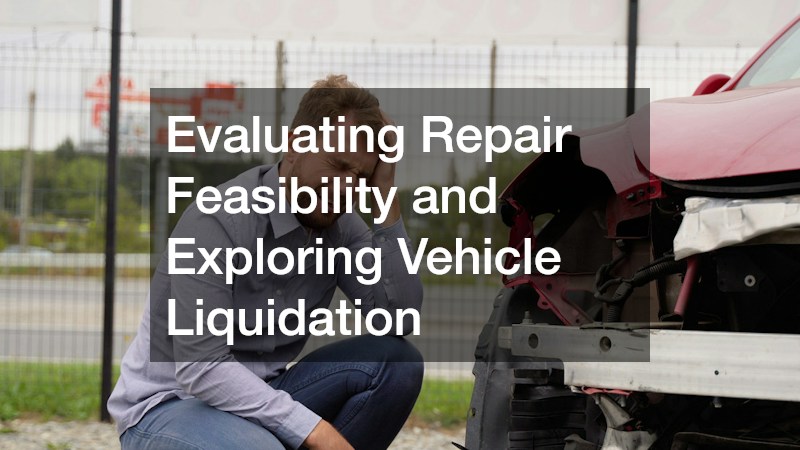
Despite advancements in repair technology, there are scenarios where bringing a vehicle back to peak performance is financially or structurally unfeasible. If impact forces sever major structural frame rails, twist floor pans beyond factory tolerances, or cause severe engine block cracking, attempting full restoration can be an unsafe money pit.
Every vehicle has a mathematical total loss threshold determined by state insurance regulations and market valuations. If total repair expenses plus estimated salvage value equal or exceed a set percentage of the car’s pre-crash fair market value (typically 70% to 80%), insurance carriers will classify the vehicle as a total loss.
Even when a vehicle is repairable, owners must consider inherent diminished value. A vehicle with a documented accident history on its vehicle history report automatically loses 10% to 30% of its market resale value compared to an identical vehicle with a clean record.
If you choose not to repair a heavily damaged or totaled vehicle, several straightforward liquidation avenues can convert the asset into immediate capital.
- Direct Vehicle Purchase Services: You can secure competitive cash offers for damaged or non-running cars directly from high-volume auto buyers, avoiding the hassle of private sales.
- Nationwide Car Buying Networks: Utilizing established cash for cars programs allows you to receive fast online valuations and complimentary flatbed towing services directly from your home or storage yard.
- Direct Buyer Portals: Searching for specialized platforms with simple buy my car workflows provides transparent pricing and rapid turnaround times for post-collision vehicles.
- Salvage and Scrap Purchasing Outlets: Working with local services that provide cash for junk cars allows you to sell severely damaged, unsalvageable, or high-mileage vehicles for scrap metal value quickly.
Chronological Vehicle Restoration Roadmap
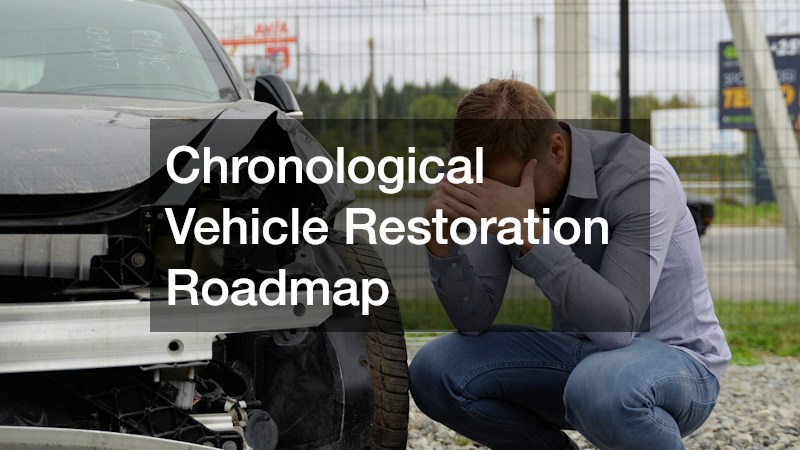
Follow this step-by-step checklist to guide your vehicle from accident scene to full restoration:
Step 1: Accident Scene & Transport Protocols
- Turn off ignition, check for personal injuries, and call emergency services.
- Take detailed photos of all vehicle angles, street signs, weather conditions, and property damage.
- Request flatbed transport equipment to haul your vehicle directly to a certified repair facility.
- Visit an urgent care clinic within 24 hours to receive a full physical medical evaluation.
Step 2: Structural & Mechanical Diagnostics
- Authorize your repair facility to perform computerized 3D laser frame measurements.
- Inspect all suspension components, tie rods, control arms, and wheel assemblies for subtle bends.
- Perform cooling system pressure tests and scan all electronic modules for hidden fault codes.
- Consult with a local auto accident attorney to review insurance repair estimates and coverage details.
Step 3: Body Repair, Painting & Mechanical Reassembly
- Replace damaged body panels using genuine Original Equipment Manufacturer (OEM) parts wherever possible.
- Pull structural unibody frame rails back into factory alignment specifications using hydraulic vector pulling.
- Spray basecoat and clearcoat finishes in a downdraft paint booth, matching factory color codes precisely.
- Recalibrate front radar, lane-keeping camera sensors, and blind-spot monitoring systems.
Step 4: Detailing, Final Inspection & Delivery
- Wet-sand, compound, and polish newly painted panels to eliminate surface texture variations.
- Perform deep interior steam extraction, vacuuming all carpet fibers and replacing cabin air filters.
- Execute a multi-speed road test to verify tracking stability, braking feel, and engine performance.
- Complete a final walkthrough inspection, review warranty documentation, and drive home with total confidence!
Restoring a vehicle to peak performance after a crash is a detailed, methodical process that requires balancing engineering precision, mechanical expertise, and thorough personal health care. A vehicle is far more than an aesthetic shell; it is an interconnected ecosystem of structural frame rails, tuned suspension components, complex electronic sensors, and high-performance safety systems. By prioritizing non-destructive flatbed transport, insisting on 3D laser frame alignment, re-tuning mechanical systems, and investing in deep detailing, you can fully restore your car’s pre-collision safety, handling, and value.
Equally important is recognizing when structural damage exceeds practical repair limits, allowing you to make smart financial decisions through strategic vehicle liquidation. Whatever path you take, taking an active, informed role in your vehicle’s post-collision journey gives you complete peace of mind. Partner with certified repair specialists, take care of your personal health, and get back on the open road with complete confidence!