A car accident can leave you feeling overwhelmed, uncertain, and unsure of what steps to take next. Beyond the initial shock, you are suddenly faced with decisions about repairing your vehicle, dealing with insurance companies, and determining whether legal support is necessary. Understanding your options early helps you navigate the process more confidently and avoid costly mistakes. Whether the accident caused minor cosmetic damage or more serious structural issues, knowing how to assess the situation and choose the right resources ensures a smoother recovery.
In addition to handling vehicle repairs, accident victims must also consider how the incident affects their finances, transportation needs, and legal rights. Many people are surprised to learn how quickly small oversights can complicate insurance claims or reduce compensation. By taking a structured approach—starting with damage evaluation and working through repair, documentation, and legal review—you can better protect yourself and your property. The right information empowers you to make decisions that support both your immediate needs and your long-term well-being.
Assessing the Damage to Your Vehicle
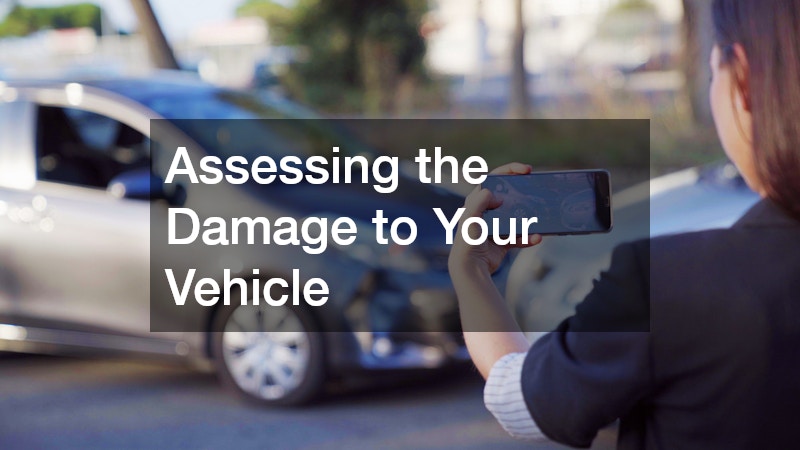
The first step after a car accident is taking a thorough look at your vehicle to understand the extent of the damage. Even if the car appears drivable, hidden issues beneath the surface can compromise its safety and performance. Inspecting the exterior, checking for alignment issues, and listening for unusual noises helps you identify concerns early. Cosmetic problems such as scratches or cracked paint should also be noted, as they may worsen over time if not addressed. Taking clear photos from multiple angles provides a record of the condition before repairs begin.
Some drivers also consider enhancements during this stage, such as applying window film to improve visibility, reduce glare, or increase privacy after repairs. While not essential, these upgrades can be incorporated into the overall restoration process and may complement other exterior work. A detailed assessment not only helps you understand the scope of the repairs but also provides crucial documentation for insurance and legal purposes. The more thorough your evaluation, the easier it becomes to plan your next steps.
Determining Whether Repairs or Replacement Are Needed
Once the damage has been assessed, the next step is determining whether your vehicle should be repaired or replaced altogether. Factors such as the age of the car, the severity of the damage, and its current market value influence this decision. If repair costs exceed the vehicle’s value, insurance companies may consider it a total loss. On the other hand, if the frame is intact and mechanical components remain functional, repairs may be more cost-effective. Understanding these distinctions helps you make a financially sound choice.
During this process, many drivers consult an auto dent repair company to determine how feasible certain cosmetic repairs are and whether the damage is mostly superficial. Their expertise provides insight into what can be fully restored and what may require replacement parts. Having professional input helps ensure you do not underestimate the extent of the repairs or choose an option that will lead to long-term performance issues. With a balanced view of both cost and safety, you can confidently decide how to move forward.
Choosing a Reputable Auto Body Shop

Finding the right auto body shop is a critical part of restoring your vehicle after an accident. A reputable shop will assess the damage accurately, provide transparent estimates, and use high-quality parts and materials during the repair process. Look for facilities with certified technicians, strong customer reviews, and experience handling accident-related repairs. It is also wise to compare multiple estimates to ensure you receive fair pricing and understand the full scope of the work that needs to be completed.
In many accident cases, damage extends beyond the body panels and involves broken or cracked glass. Working with an auto glass repair specialist ensures that windshields, side windows, and mirrors are restored to proper safety standards. Glass repairs require precision, as structural integrity and visibility are crucial for safe driving. By choosing a shop equipped to handle both cosmetic and structural repairs, you increase the likelihood of a successful, long-lasting restoration.
Understanding Insurance Claim Requirements
Navigating insurance requirements is one of the most confusing aspects of recovering from a car accident. Insurance companies often require detailed documentation, timely reporting, and specific types of repair estimates to approve a claim. Understanding your policy, deductible, and coverage limits helps you avoid surprise expenses and delays. It is important to maintain open communication with your insurer and provide all required information as soon as possible. Keeping organized records—photos, police reports, and repair estimates—helps streamline the claims process.
Some drivers rely on a diesel engine mechanic when dealing with mechanical concerns that arise after an accident, especially for larger vehicles or diesel-powered trucks. Mechanical documentation from a specialist can strengthen your insurance claim by providing a professional evaluation of internal or structural damage. Insurance companies often trust certified experts to identify issues that may not be visible during a basic inspection. By understanding claim requirements and gathering the right documentation, you increase your chances of receiving full and fair coverage.
Documenting Evidence for Your Case
Thorough documentation is essential whether you plan to file an insurance claim, pursue legal action, or simply protect yourself from liability. Start by gathering as much information as possible at the scene of the accident, including photos, videos, witness statements, and the other driver’s insurance details. Continued documentation—such as repair invoices, medical records, and communication logs—creates a complete timeline of the incident and its aftermath. Detailed evidence strengthens your position in any dispute and supports your claim for compensation.
In some situations, additional mechanical evaluations are needed to prove the extent of the damage. For example, a diesel repair specialist may uncover underlying issues that were not visible during the initial assessment, adding important details to your case. These findings can be especially valuable if the accident caused delayed mechanical problems or impacted essential vehicle systems. Comprehensive documentation helps ensure your rights are protected and provides a solid foundation should legal representation become necessary.
Seeking Professional Legal Guidance
After a car accident, many people are unsure whether they need legal support, but consulting a professional can help you understand your rights and options. A legal expert can explain how liability is determined, what types of compensation you may be entitled to, and how to proceed if the insurance company disputes your claim. Even in seemingly straightforward cases, legal guidance provides clarity and reduces the risk of errors that could weaken your case. Early consultation also helps you avoid signing documents or accepting settlements that do not reflect the true value of your damages.
When choosing a representative, many individuals turn to a car accident lawyer who specializes in collision-related claims and understands the nuances of personal injury law. These professionals know how to gather evidence, negotiate with insurance companies, and advocate on your behalf during settlement discussions or legal proceedings. Their experience allows them to anticipate common challenges and build a strong case that reflects the full impact of the accident. By seeking knowledgeable legal help, you improve your chances of achieving a fair and favorable outcome.
Evaluating Your Rights After an Accident
Understanding your rights after a car accident is essential for protecting yourself financially and legally. Many drivers are not aware of what their insurance covers or what compensation they may be entitled to receive. Common rights include reimbursement for medical expenses, payment for vehicle repairs, compensation for lost wages, and coverage for rental vehicles. You may also have the right to seek additional damages if the other party was negligent. Knowing these rights empowers you to make choices that support your recovery rather than settling out of pressure or misinformation.
Some individuals choose to consult car accident law firms for support in evaluating their rights and exploring available legal options. These firms have the resources and experience needed to assess the accident from multiple angles, ensuring that no detail is overlooked. They can explain how state laws influence your claim, what deadlines apply, and whether pursuing litigation is appropriate. By fully understanding your rights with professional guidance, you place yourself in the strongest possible position to secure compensation.
Communicating with Insurance Adjusters
Communication with insurance adjusters plays a major role in the outcome of your claim, but these interactions can be intimidating without the right preparation. Adjusters represent the insurance company’s interests and may attempt to minimize the payout by questioning your account of the accident or the severity of the damage. It is important to remain calm, provide accurate information, and avoid speculating about fault or injuries. Clear, factual communication helps you maintain credibility and reduces the risk of misunderstandings that could affect your settlement.
Many drivers experience challenges when negotiating repair valuations, especially when the adjuster’s estimate does not reflect the true cost of restoring the vehicle. In these situations, referencing professional assessments—such as documentation from a collision repair specialist—can strengthen your position. Expert repair estimates provide objective evidence that may counter low offers or incomplete evaluations from the insurer. By communicating carefully and supporting your claim with professional documentation, you improve your chances of receiving fair compensation.
Exploring Compensation Options Available to You
After a car accident, understanding the full range of compensation options helps ensure you are not leaving money on the table. Compensation may cover more than vehicle repairs; it can include medical bills, lost income, pain and suffering, and future expenses resulting from long-term injuries. In addition, compensation may extend to rental car costs, towing fees, and diminished vehicle value if the accident reduces your car’s resale price. Each accident has unique circumstances, and knowing what qualifies for reimbursement is essential for achieving a fair outcome.
To navigate these options effectively, many individuals seek input from a law firm that can identify which damages apply to their specific situation. Legal professionals help evaluate evidence, project long-term financial impacts, and calculate a comprehensive compensation request. They also understand how insurance companies negotiate and can advocate for a higher settlement when necessary. With the support of a knowledgeable legal team, accident victims can confidently pursue the compensation they are entitled to rather than settling for less due to confusion or pressure.
Preparing for a Potential Legal Claim
Even if you initially expect the claims process to go smoothly, it is wise to prepare for the possibility of legal action. Not all accidents resolve through insurance alone; disputes about fault, inadequate settlement offers, or complications with medical documentation may require formal legal intervention. Preparing early involves organizing all documents, keeping detailed records of expenses, and maintaining open communication with your insurer. It also means avoiding statements or agreements that could be used against you later. When you treat the situation with caution from the start, you preserve your ability to pursue legal remedies if necessary.
In some cases, preparing for a potential claim coincides with handling practical matters such as upgrading damaged infrastructure at home. For instance, someone who relies on an electric vehicle may work with a home ev charger company if their charging system was affected by the accident or by related circumstances. While this may not directly influence the legal case, managing these logistics prevents secondary issues from arising and keeps your daily life functioning smoothly. By staying organized and proactive, you ensure you’re ready for any direction the process may take, whether it leads to settlement negotiations or courtroom proceedings.
Recovering from a car accident involves far more than repairing a vehicle; it requires understanding your rights, protecting your financial interests, and ensuring your long-term well-being. From assessing damage to navigating insurance requirements, each step plays a crucial role in securing a fair and accurate resolution. Taking the time to document evidence, consult professionals, and evaluate your compensation options allows you to make informed decisions rather than reacting under pressure. The process may feel overwhelming, but following a structured approach helps you regain control during a stressful time.
Legal guidance also becomes invaluable as you move through complex negotiations and potential disputes. Experienced professionals can identify opportunities for compensation that you may not have considered and advocate for you when insurers push back. Their insights ensure that every detail—from medical costs to lost wages and reduced vehicle value—is accounted for. Meanwhile, choosing reputable repair specialists ensures that your vehicle is restored safely and properly, making it easier to move forward after the accident.
Ultimately, your goal after a collision is to return to normal life with as little disruption as possible. By understanding your options, staying organized, and seeking help when needed, you create a smoother path toward resolution. Whether you pursue an insurance claim, legal action, or both, the right information empowers you to make choices that safeguard your health, financial stability, and peace of mind.